
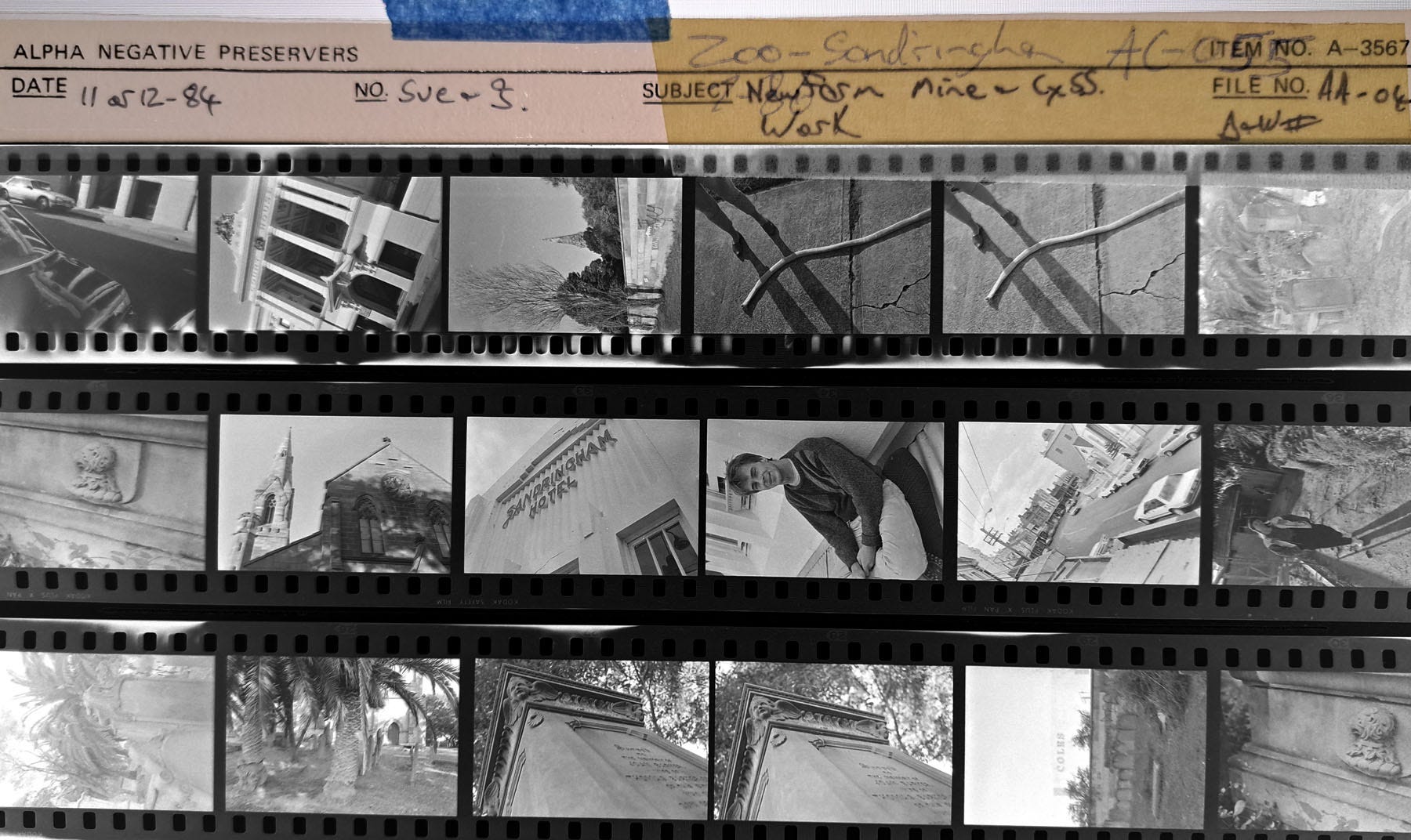
It’s August 1986. Just two months ago I quit art school and changed cities, moving from Brisbane to Sydney. I’ve just turned 23 and I’m living above a noisy pub in Newtown, the Sandringham Hotel. Renowned for having live bands – open till midnight - six nights a week. I’ve been doing a little freelance assisting, and I’ve been trying to get enough sleep. At least I’m in the quieter rear wing of the pub. I have also been taking my portfolio to modelling agencies. And they tell me to come back when I’ve got some new shots. New shots! How can I get new shots if none of the agencies will give me a model to test with?
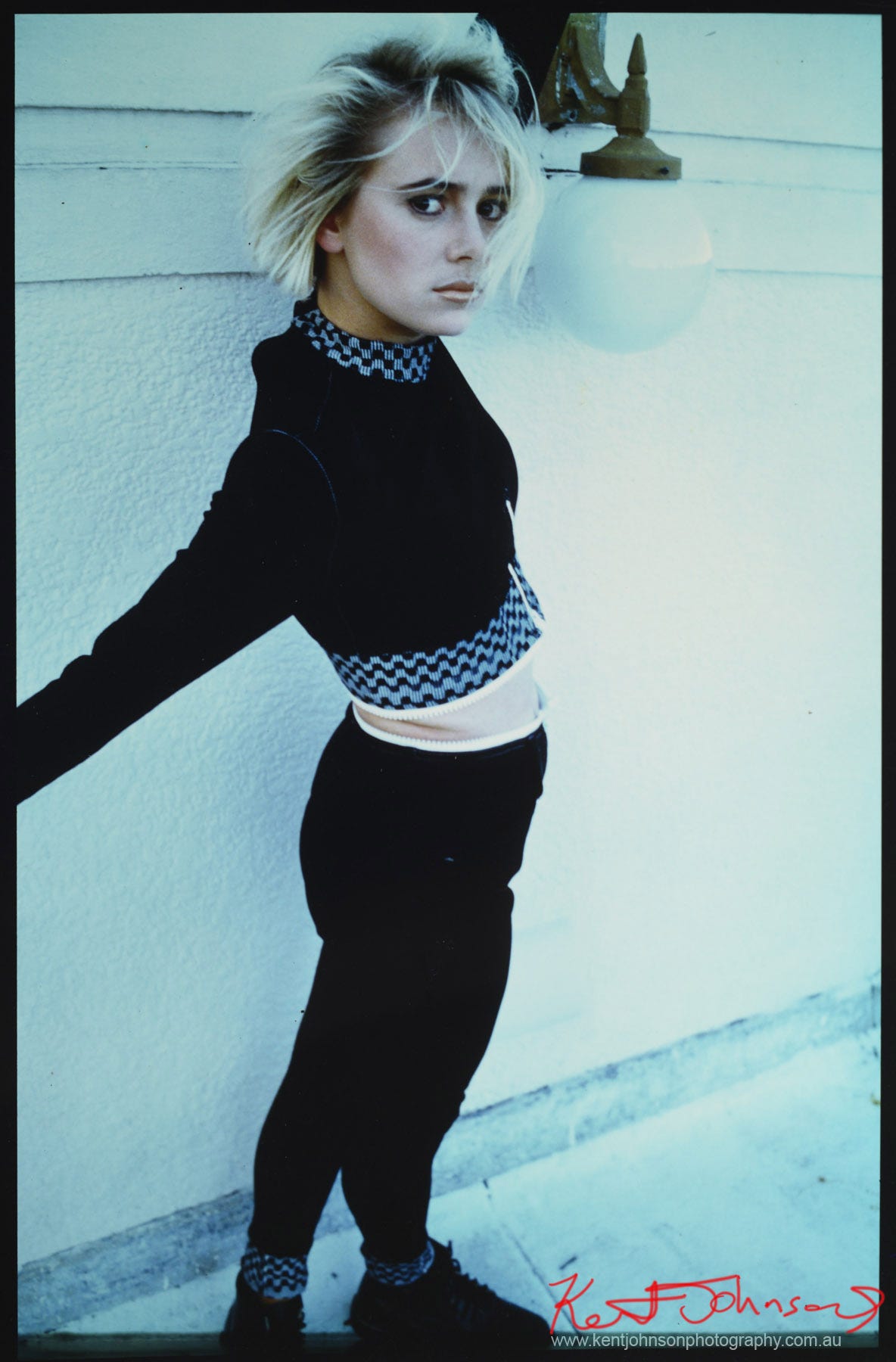
It’s not just models I need, I’m also asking the agencies if they have any new clothing stylists or makeup artists that are looking for photographers to test with. Getting good clothing to photograph is proving to be difficult for me. Back in Brisbane I had a relationship with a fashion store, they lent me outfits for shoots in return for prints they put on display in the shop, it was cool gear and a good deal. I’d also been friendly with a couple of fashion design students and had shot my first ever (graduate) range for Andrea Collins in the studio of Danny Nolan. Here in Sydney, I am starting over again. It was Danny who, earlier this year moved to Australia’s magazine capital to level up his career as a fashion photographer. I’d made the 1000 kilometre trip to visit during a college break, and had decided I wanted to take up his offer of working for him in Sydney. Then in late June I made the move, a couple of bags, my racing bike and a sixteen hour bus ride.
Thank god I had brought that bike. I was going everywhere on it with a small street directory in my backpack, saving time and the expense of public transport. Danny helped out with finding a place to live, running me around town in his car. He also took me along to the modelling agencies, Cameron’s, Ursula’s, Chadwick’s and Vivien’s in Double Bay. That was a huge leg up. But other than some interest in the pictures of my friend Megan “great model, who is she?” The bookers at the agencies were friendly, but were not giving me what I wanted, which was models to do test shoots with.
These were the days when models telephoned their Booker at their agency every afternoon to find out about bookings, jobs or castings for the next day. The bookers all sat around a huge desk with with folders for every model in the middle, talking on the phones. These “Bookers” knew everything. Who was working, where the jobs were, who was coming and who was going. Sydney was a destination for overseas photographers and models looking to get paid editorial work published in magazines, editorial shoots, “tear sheets” torn from the magazines, for their portfolios. The philosophy was that published editorials led to advertising (money) and better editorial assignments, more freedom, more advertising...
I too started calling in on Wednesdays or Thursdays, not Monday, not Friday, and in August my “testing” drought broke, and I did several shoots for my portfolio. Having experienced how underwhelmed most bookers seemed when they viewed the portfolio I had created in Brisbane. I was acutely aware that I needed new-and-improved pictures if I was to continue on my journey as a young photographer.
Desperate men do desperate things.
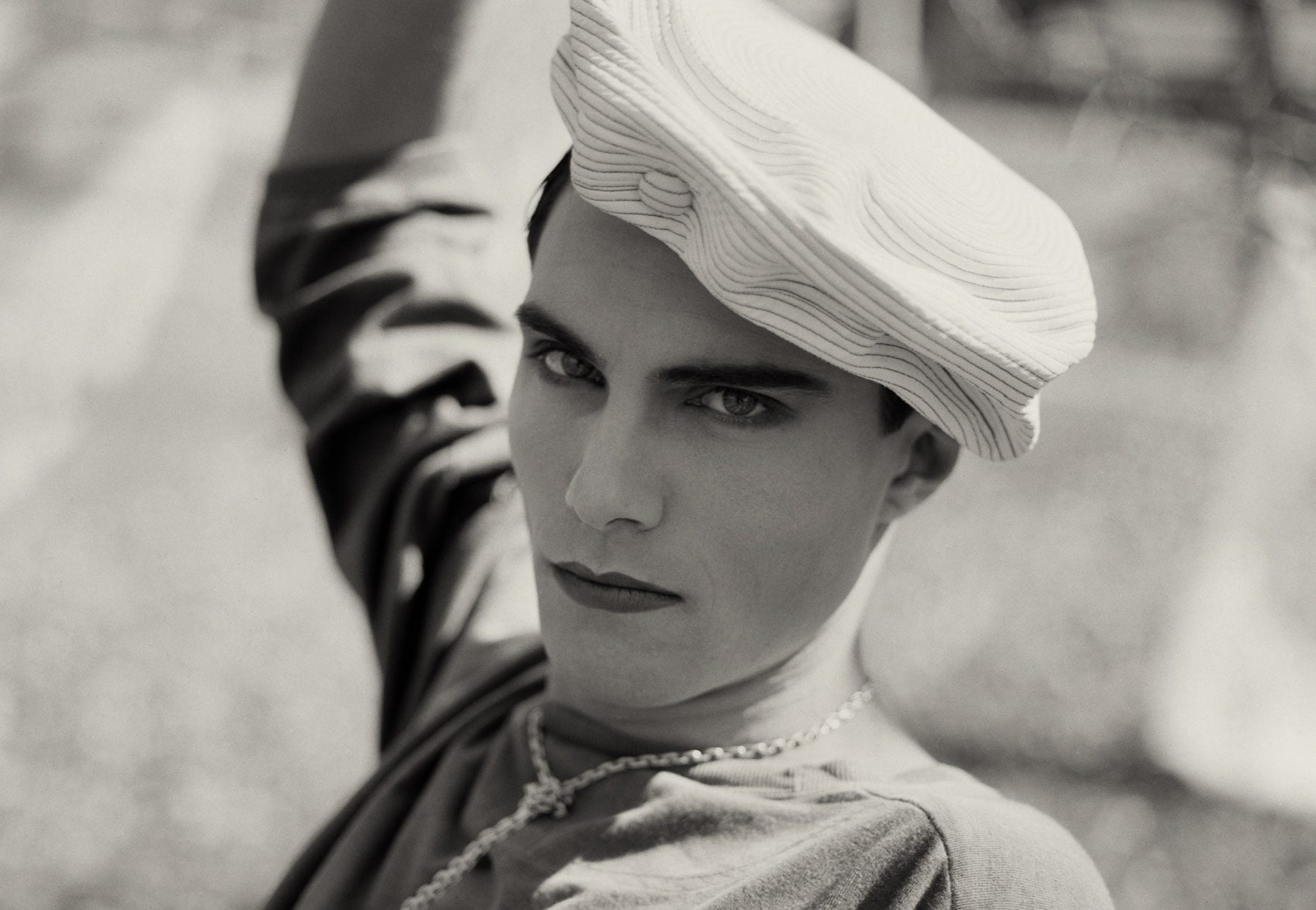
OK, maybe not desperate, but I was certainly feeling the pressure of being in Sydney. My “book” was not cutting it, I didn’t have a stylist, but I had found a makeup artist, Laura. I’d been offered a male model to “test”, and as I’d been styling most of my own shoots anyway, I decided to do the same with Gabriel and style with whatever I could come up with. What I came up with was a silent movie era inspired, Bela Lugosi shoot in the quietest part of Newtown, the walled secret garden that is historic Camperdown Cemetery.
Laura and the male model Gabriel, loved the concept. For styling I had a pair of 1950s suit trousers and a grey long sleeve tee shirt, a weathered and thin leather belt and, the key item, a 1950’s high fashion white beret with two buttons and geometric needle work, a thrift shop find that somehow, I just knew would work. I suspect I was thinking of some sort of stylised sailor* look. Laura was going to do very heavy silent era makeup, pale skin, heavy eyes and dark lips to complete the look, and she did a great job with the makeup and slicking down Gabriel’s hair.
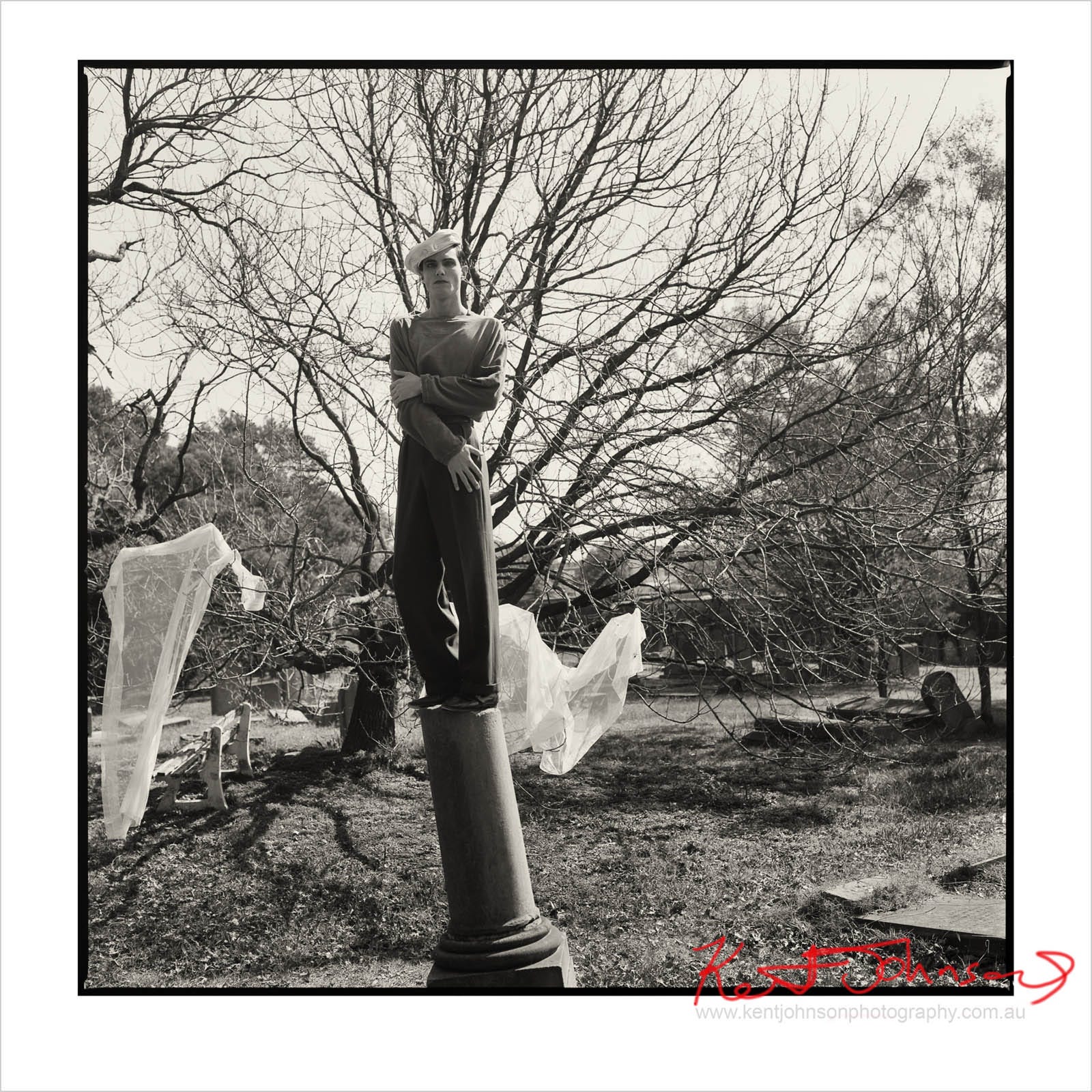
Our location was about a 5 minute walk up King Street from The Sando to St Stephens Church and the beautiful ruins of Camperdown Cemetery with it old gravestones and memorials and a botanic gardens array of palms and trees and shrubs. I thought it was one of the most calming places I’d come across in Sydney and conveniently right near where I lived.
Though it was 40 years ago, going through the shoot looking at the shots I can see exactly what I did and why.
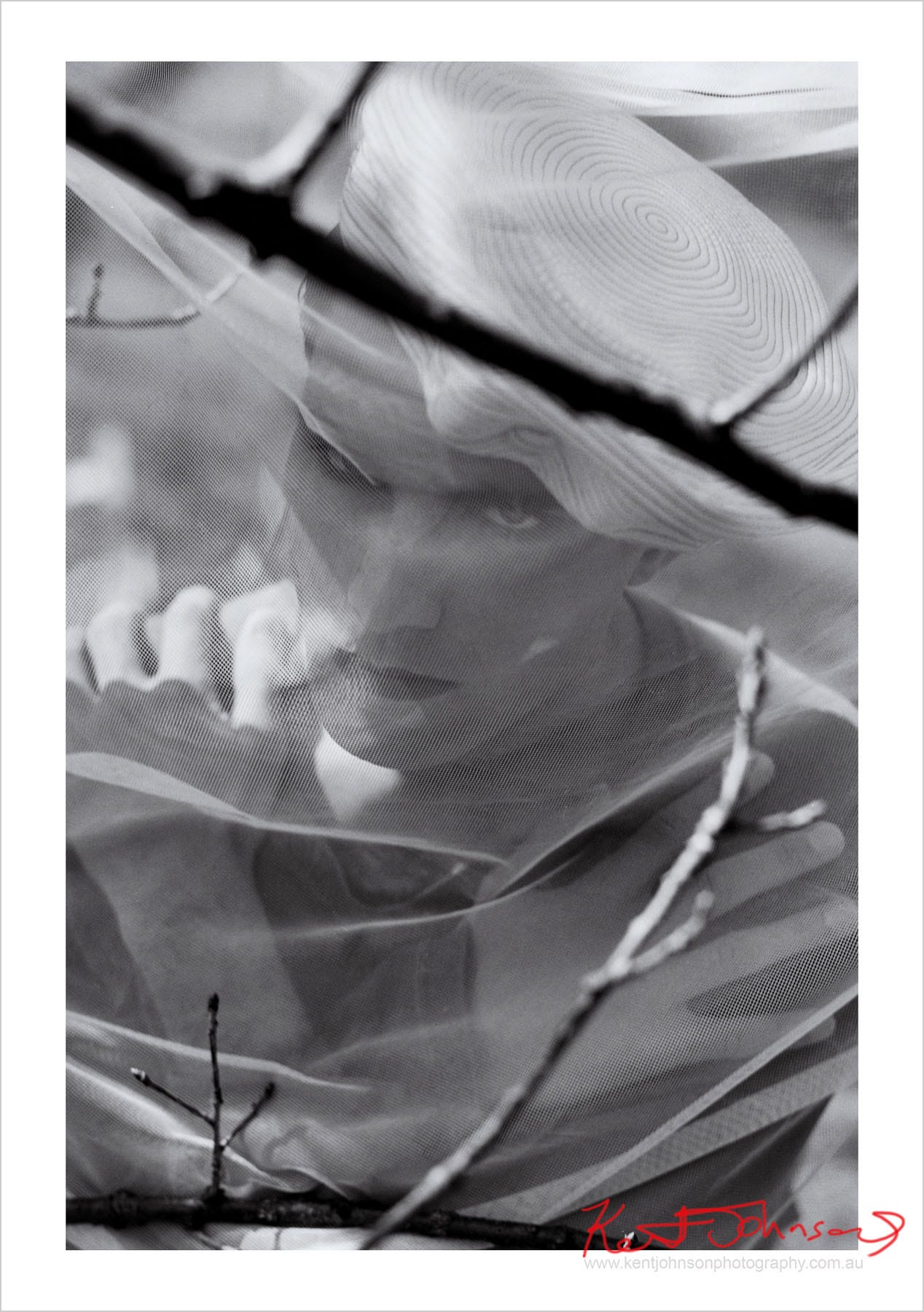
We shot in full late winter sun early in the afternoon. More forgiving than summer sun but not something I would usually recommend. The model is back lit to avoid harsh shadows, the notebook notes (made 18 months later) say there was no reflector or fill light used, mostly true, except for a few frames where a Metz 45 CT off-camera (speedlight) flash was used. The real trick here is to avoid hot ugly splashes of bright sunlight on the face or the garments, while making an interesting picture. What I find most curious today is the two swathes of white tulle used as a device throughout the shoot to break up the scene and make it more like a film set - well, lets say less like just being in a park. Forty years later I’m surprised at how effective this simple device was. The tulle added some mystery and also worked as a prop giving Gabriel something to do. In the 35mm close ups it also diffuses the light. I need to buy some more!
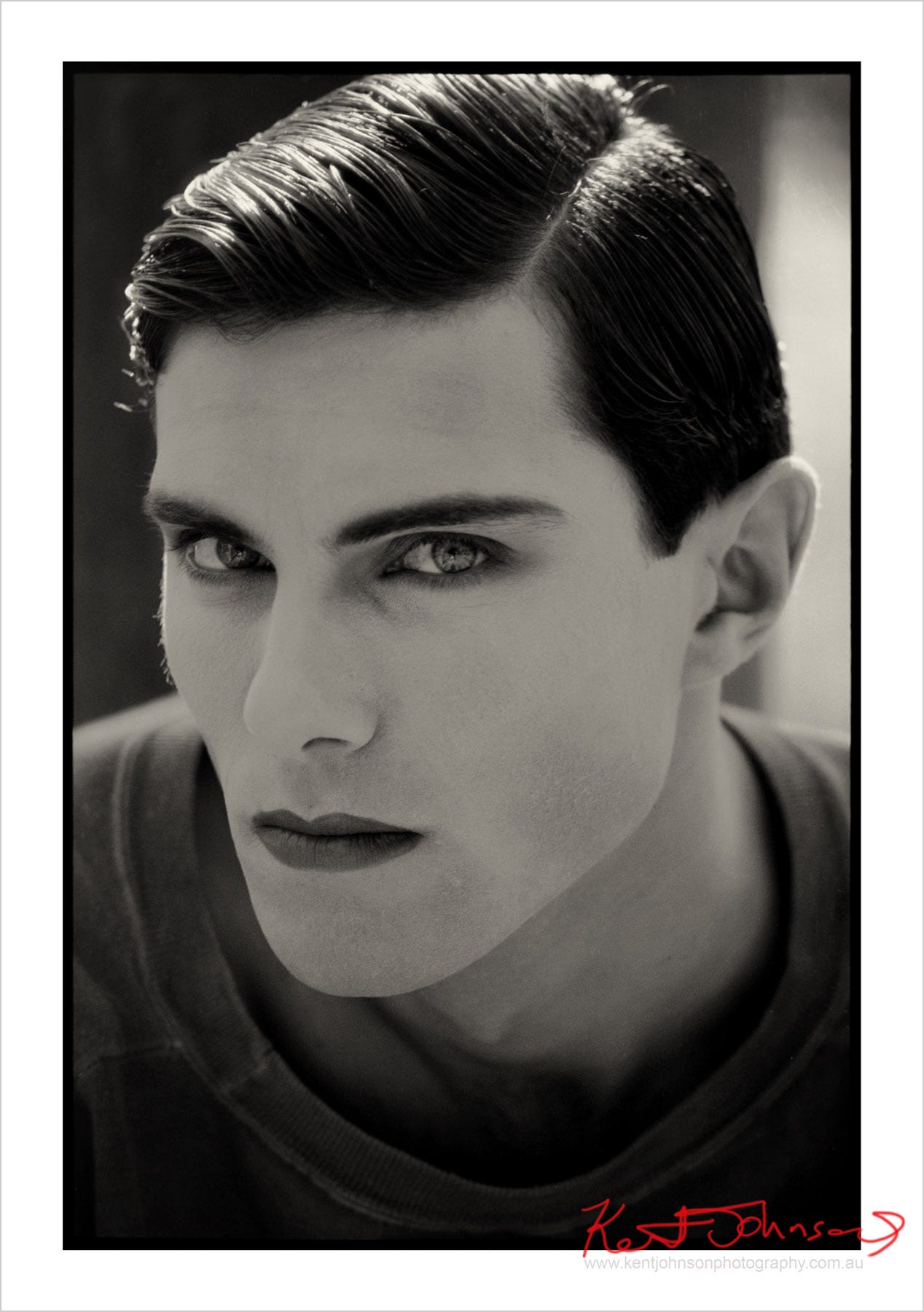
I did test shots with B&W pos/neg Type 55 Polaroids and found three of the washed Polaroid negatives sleeved in the envelop with the rest of the film. Other than the Polaroids I used slow film, Ilford Pan F 50 ISO film to help deal with the bright sunlight and wide contrast range – in an attempt to hold the highlights and keep detail in the shadows. I used a Gossen Lunasix F light meter, metering for the highlights. I almost certainly took a reflected reading off Gabriel’s face and opened up a stop – e.g. from a reading of f11 shoot at f8 - as opposed to taking a general incident reading. The film was (most likely) developed in Perceptol at 1:3 solution, to lower the contrast for a smoother tonal range, done in a JOBO tank in the kitchen at the Sando.
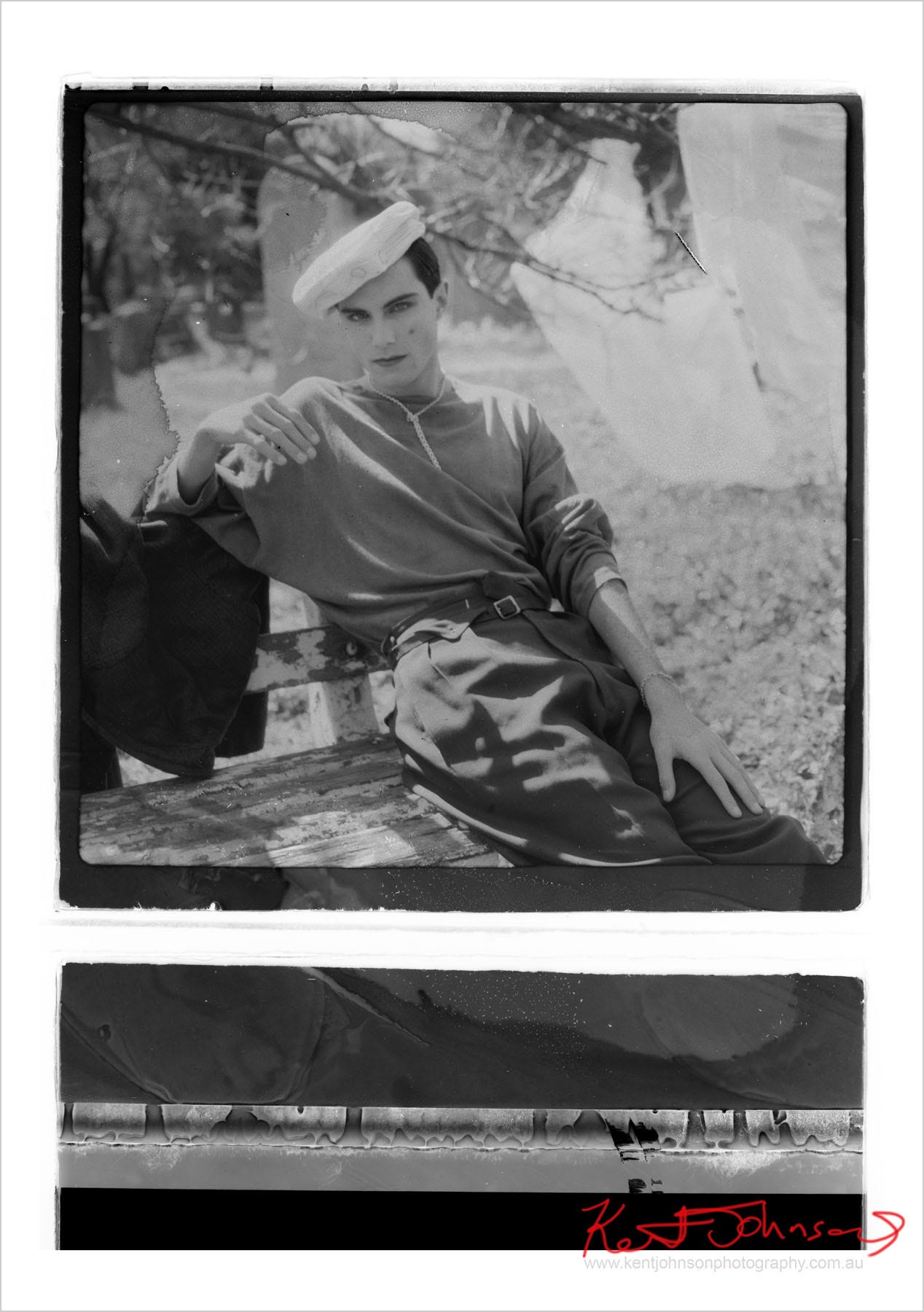
This approach, the slow film, shooting backlit, worked better than I realised at the time. Which opens up all sorts of questions like, what if I had had a better darkroom? More paper, done more enlargements, and had enough money and time to afford to pursue making better prints? What if I had done a better job with the contact sheets and made killer presentation prints before showing the shoot to the agency, would that have helped?
I doubt it!
The moment I put all that makeup on Gabriel I “cooked my goose” as they say. This was way outside what was acceptable for a test shoot for a model who was represented by a (conservative) commercial agency. However tame these shots look now. It would be two to three decades before this sort of picture started making inroads into mainstream marketing - but still not like this. The same too, for the styling, reuse and vintage fashion were not happening in commercial fashion in 1986. My partner, Vivienne on seeing these scans exclaimed, ‘Kent, you were 30 years ahead of your time’. To which I replied, ‘well not really, this was not about gender at all, it’s about the silent era, and it was a big mistake’.
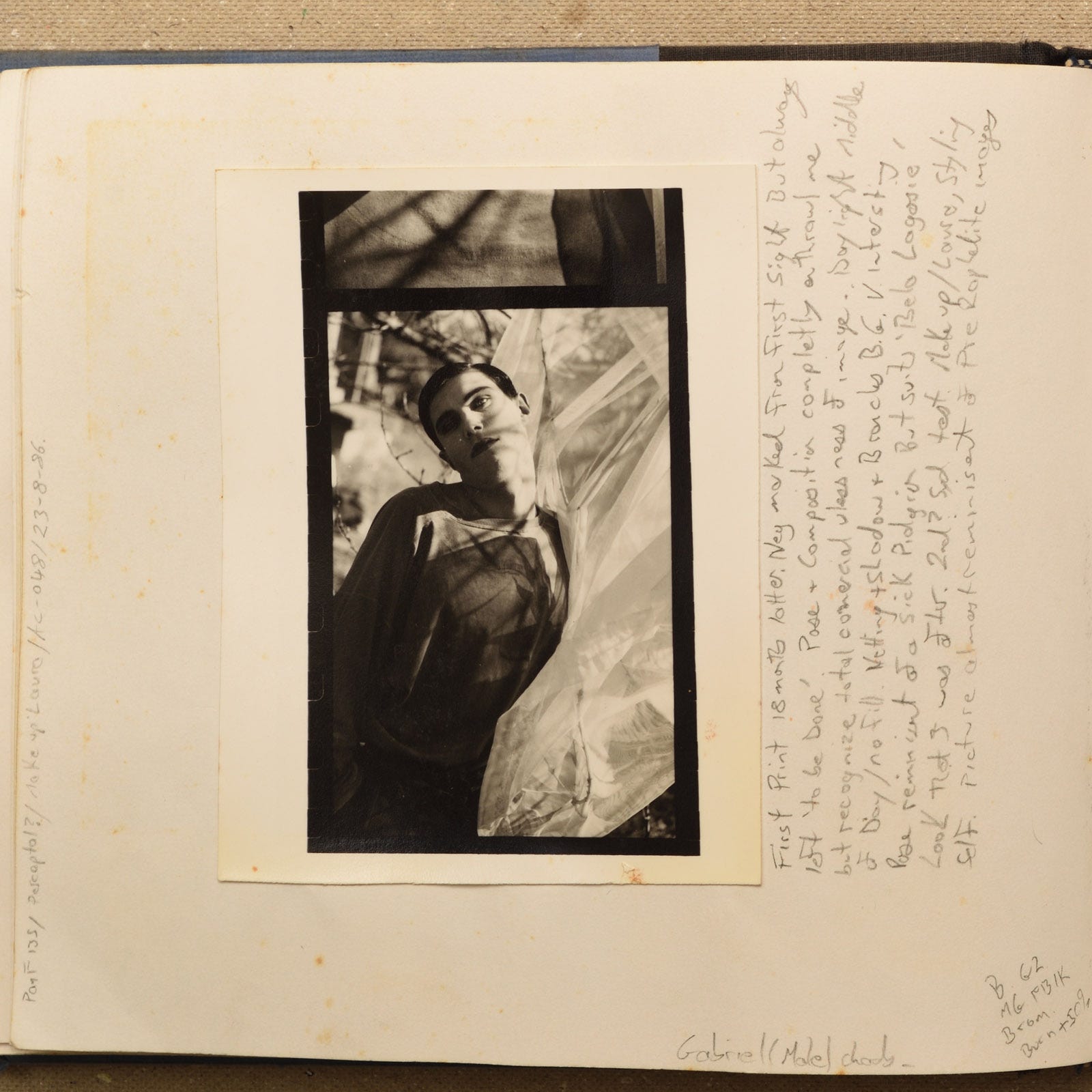
The agents response was all it took for me to shelve it, for the next 40 years. On seeing the contacts, Gabriel’s booker (and owner of the agency) exclaimed “Jesus Christ!” which was not a positive assessment. And unlike the scans, the negatives were difficult to print, and because I had gone so over the top with the (unacceptable) concept, I had on my hands the proverbial dead horse, not really worth working on – so I moved on.


I’m pleased to report, this was not the end my relationship with this agency. I would get to visit and see the walls lined with framed Elle Macpherson magazine covers, and make many more tests, just not until I’d had some time-out in the sin bin. What I have called my “big mistake” was an important lesson. I needed to learn to channel my creative instincts in more commercially viable ways. That, took time to learn. In fact, I was still trying to understand where creativity and good shots came from when I packed it all in five years later, cancelling myself. Right up until then I’d worry if the next shoot would be a good one or if I would fail to hit the high creative mark I desired. It was not something I solved completely during this first phase of my career in photography. If you ask me today where creativity comes from. I will tell you, time and experience. Of course by now, 2026, I’ve had a lot of of time and another 23 years of experience. In 1986, creativity came from the desire to make something great, pouring in all my energy and resources, trying everything, to make that creative magic happen. That is an exhausting process, if it is even a process at all. Though I’m glad to have had the experience of creating pictures both ways. I would not be making the work I’m making today without the creative experiences of the past, including shoots like this one.
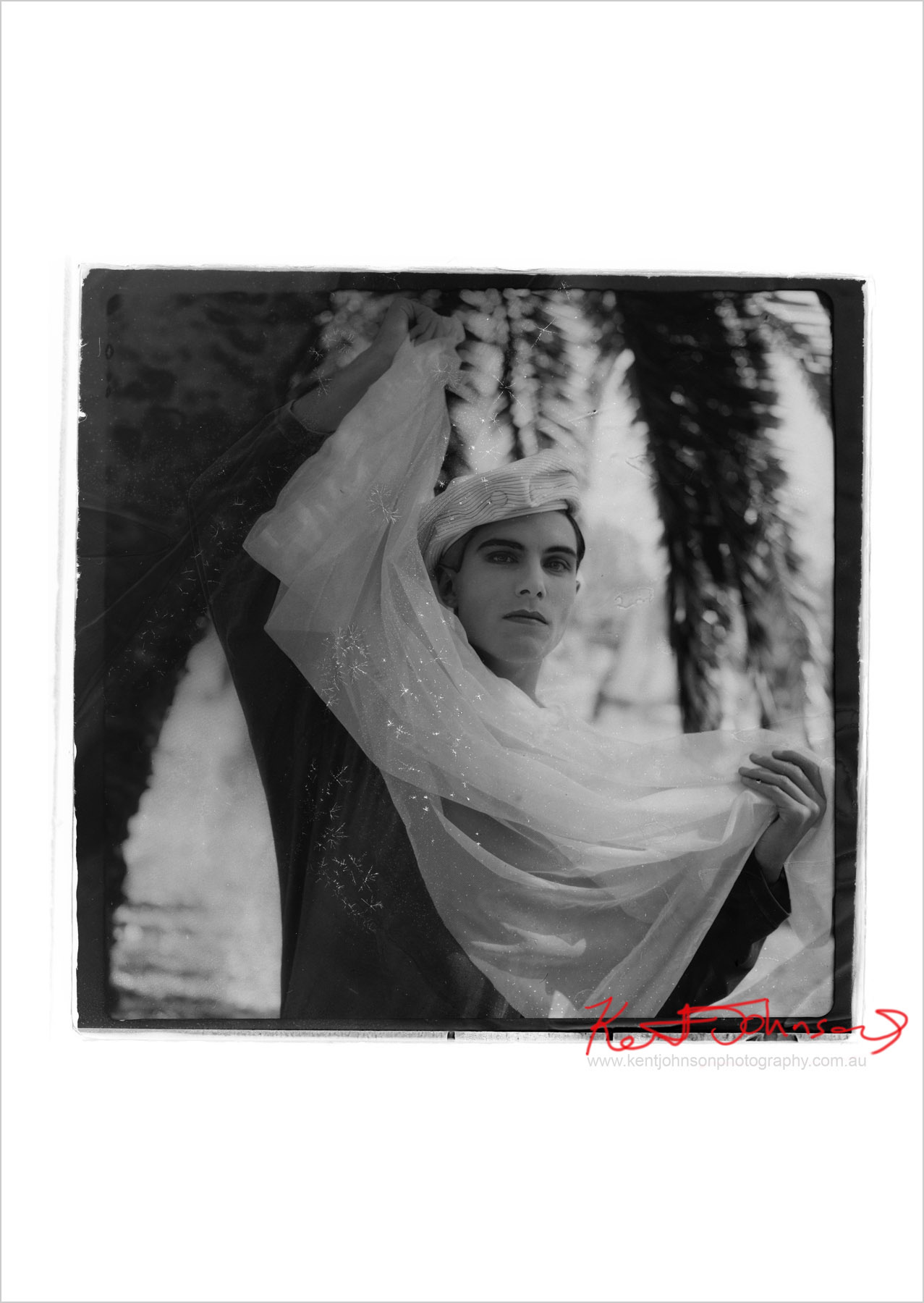
Prints available for purchase - just contact me.
Kent Johnson, Sydney, 2026
https://www.kentjohnsonphotography.com.au/
https://www.instagram.com/iamkentjohnson/
*Querelle is a 1982 erotic crime drama film directed by Rainer Werner Fassbinder.
I really enjoyed reading your post and the pictures are AMAZNG
I was wandering through St Steven’s Church cemetery just last week with my camera, so as I view your images I can see them in a contemporary light. Wonderful location and very interesting concept. I also remember the days of walking into agencies (magazine offices in my case) with physical prints in a folder. How the world has changed!